


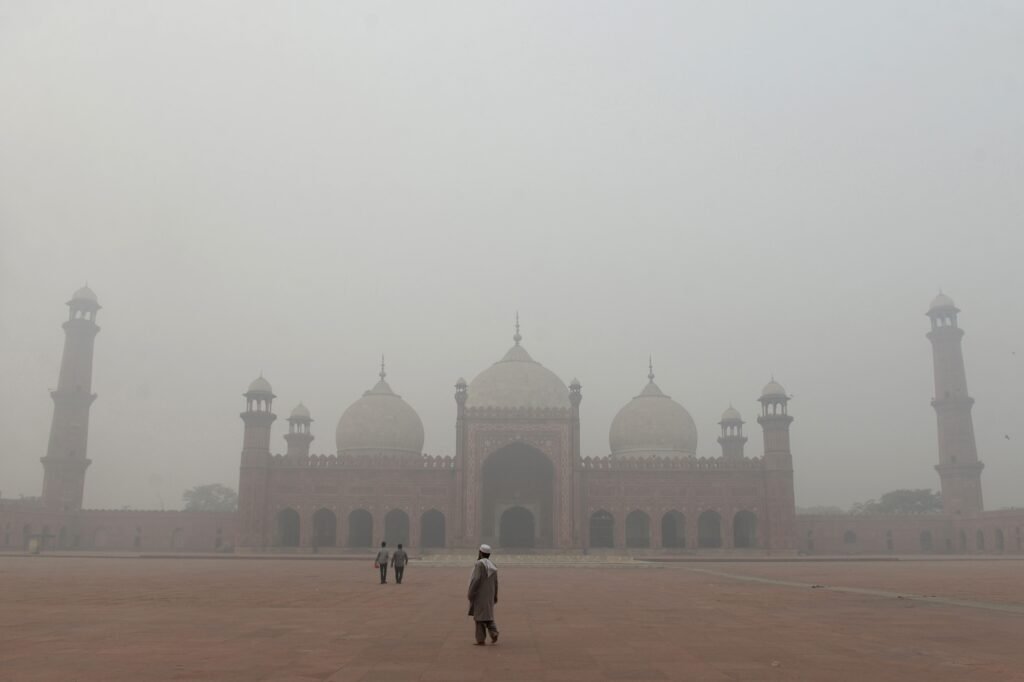
Introduction: Winter in Pakistan Has Changed
Winter in Pakistan once meant cozy evenings, family gatherings, and warm blankets. Today, it has become a season of smog, energy shortages, and rising health risks. Cities like Lahore, Faisalabad, and Karachi repeatedly top the global air pollution charts each winter, while households brace themselves for gas load-shedding and rising electricity costs.
As Winter 2025–26 approaches, Pakistanis face more than just cold temperatures — they face survival challenges that affect their health, budgets, and daily lives. This blog explores the problems, practical solutions, and what both citizens and the government can do to get through the season.
1. The Winter Smog Crisis
Why does smog worsen in winter?
- Temperature inversion traps pollutants close to the ground.
- Crop burning in Punjab and India’s Haryana region adds massive amounts of smoke.
- Vehicle and industrial emissions build up without dispersing.
Health impacts
Doctors report spikes in:
- Asthma attacks
- Eye and throat irritation
- Respiratory infections
- Long-term risk of heart and lung disease
Children and the elderly are the worst affected. In Lahore, some schools have even been forced to shut down due to Air Quality Index (AQI) levels crossing 400+ (hazardous) in past winters.
💡 Tip: Regularly check AQI apps like IQAir or AirVisual before heading outdoors.
2. Energy Shortages: Gas and Power Woes
Every winter, the Sui Northern and Sui Southern Gas Companies announce supply shortages. In 2024, urban households saw gas only for 6–8 hours a day. With demand rising, Winter 2025–26 is expected to bring similar or worse outages.
Common issues
- No gas for cooking at peak hours.
- Cold water due to non-functioning geysers.
- Rising electricity bills when people switch to electric heaters.
Coping strategies
- LPG cylinders or electric induction stoves as backup for cooking.
- Instant water heaters (geyser alternatives) for smaller households.
- Insulation hacks: cover windows with plastic sheets, use thick curtains, and block under-door gaps to reduce heating needs.
3. Protecting Your Health During Smog Season
Masks & Air Filters
- Use N95 masks when going outside. Cloth or surgical masks do not block fine particulate matter.
- For homes, if an air purifier is too expensive, DIY methods like attaching HEPA filters to fans can reduce indoor pollution.
Nutrition & Immunity
A winter diet rich in Vitamin C, garlic, turmeric, and warm fluids helps strengthen immunity.
Medical Preparedness
- Keep an inhaler and essential medicines ready if you have asthma.
- Visit a doctor early if children develop persistent cough or breathing issues.
4. Staying Warm Without Gas
Gas shortages make heating a serious concern. Here are some practical alternatives:
- Electric blankets: consume less power than heaters.
- Room insulation: seal windows, use rugs on floors, close unused rooms.
- Solar panels + batteries: a growing number of urban families now rely on solar setups to power heaters and geysers during outages.
- Layered clothing: Instead of one heavy layer, wear multiple thin layers for better insulation.
5. Daily Life Adjustments
Commuting
- Avoid early morning and late-night travel when smog is thickest.
- Carpool or use public transport to cut emissions.
Work & School
- Encourage remote work and online classes on days with hazardous AQI.
- Schools in Lahore and Karachi are already considering hybrid schedules for smog season.
Household Routines
- Wash hands frequently to reduce infection spread.
- Store dry rations (lentils, flour, rice) in case energy shortages disrupt cooking.
6. Community Actions That Make a Difference
Individual preparation matters, but community-level action amplifies results.
- Neighborhood air quality checks: Schools or community groups can purchase one shared AQI monitor.
- Tree planting drives: Trees act as natural air filters and windbreaks.
- Pooling resources: Sharing generators, heaters, or even transport during emergencies lowers costs and pollution.
7. What the Government Must Do
Pakistan cannot continue treating winter smog and gas shortages as temporary inconveniences. Solutions require policy reform and consistent implementation:
- Smog control
- Enforce crop residue management policies.
- Crack down on industrial polluters.
- Expand public transport to reduce vehicle emissions.
- Energy management
- Improve gas storage and distribution.
- Encourage solar and wind alternatives.
- Subsidize energy-efficient appliances.
- Healthcare system readiness
- Prepare hospitals for spikes in respiratory illness.
- Provide low-cost or free masks in urban centers.
8. Winter Survival Checklist for Families
✅ Check AQI daily before leaving home.
✅ Keep an emergency cooking alternative (LPG/electric stove).
✅ Stock blankets, warm clothes, and backup heating.
✅ Use N95 masks and purifiers indoors.
✅ Keep essential medicines handy.
✅ Plan backup power (UPS, solar, or generator).
Conclusion: Plan Ahead, Stay Safe
The Pakistani winter of 2025–26 will be as much about adaptation as survival. Between toxic smog, unreliable energy supply, and rising costs, every family must prepare smarter.
The key is planning ahead: protect your health, insulate your home, prepare backup energy solutions, and support community-level initiatives. At the same time, the government must prioritize clean air policies, better gas management, and accessible healthcare.
Winter can still be a season of comfort — but only if citizens and the state work together to tackle these challenges head-on.