


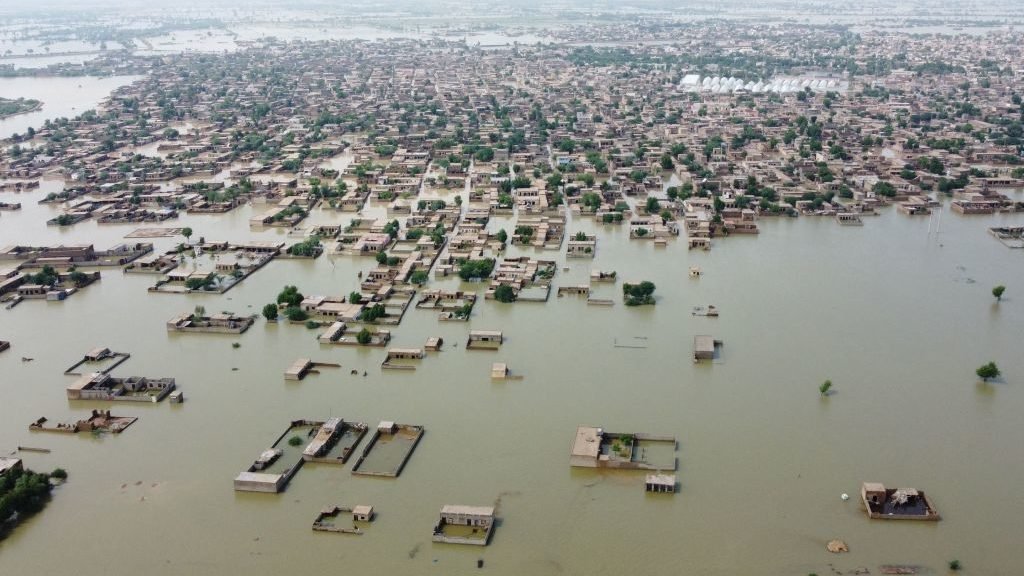
Assessing 2025 — Why the floods happened and what people & government should do now.
*This is only an opinion/how-to article based on online research. I do not claim to be an expert on this topic.
Overview: the scale of the 2025 flooding crisis
Pakistan’s 2025 monsoon season has produced widespread, fast-moving floods across multiple provinces. Official situation reports and humanitarian updates put the toll in the hundreds of fatalities, many thousands injured, and millions affected or displaced. Large-scale evacuations and relief operations are underway, while agencies warn that active monsoon conditions could persist for weeks. ReliefWebOCHANational Disaster Management Authority
Why Pakistan is experiencing such devastating floods in 2025
Multiple interacting factors explain the scale and speed of this year’s floods:
1. Exceptional monsoon rains and flash floods
The monsoon period since late June 2025 has brought extreme, persistent rainfall in basins across the country. Large volumes of water falling in short periods have resulted in flash flooding and riverine overflows. Humanitarian flash updates and NDMA situation reports describe prolonged heavy rains affecting Punjab, Sindh, Khyber Pakhtunkhwa and northern regions. OCHAAmazon Web Services, Inc.
2. Glacial and snowmelt contributions in the north
In addition to monsoon rains, accelerated glacial melt and late-season snowmelt in high catchments have increased river flows downstream, compounding flood peaks. Relief agencies have linked glacial contributions with sudden surges on main rivers. IFRCReliefWeb
3. Transboundary water management and sudden dam discharges
Authorities in downstream areas have reported sudden surges linked to upstream dam releases. Cross-border flows and reservoir management timing can create downstream shocks that exacerbate inundation in low-lying districts. Coverage by major news outlets and authorities highlights how dam discharges and upstream river behavior contributed to sudden rises. AP News
4. Legacy vulnerability: infrastructure, settlement patterns, and land use
Decades of settlement in floodplains, inadequate urban drainage, poor maintenance of embankments, and the loss of natural flood buffers (wetlands, forests) have increased vulnerability. Past floods (including the 2022 “super-flood”) showed how socioeconomic vulnerability multiplies climate shocks into humanitarian disasters. Amnesty UKCarbon Brief
5. Climate change as a multiplier
Warming temperatures increase atmospheric moisture and the intensity of extreme precipitation events. Experts and humanitarian organizations point to climate change as a key risk multiplier that makes extreme monsoon events more frequent and intense. IFRC
Immediate advice for people in flood-prone areas (what households can do now)
While systemic change is needed, there are immediate, practical steps households and communities can take to reduce harm this season.
Prepare a simple flood survival kit
- Keep a small waterproof bag with essentials: copies of ID, cash, basic medicines, a torch (with spare batteries), bottled water, high-calorie snacks, a whistle, and a power bank.
- Include a basic first-aid kit and any required prescription medicines.
Make an evacuation plan and identify safe routes
- Know the nearest official evacuation centre (local authorities/NDMA updates) and multiple escape routes.
- If you live in a single-storey, low-lying house, plan to move to higher ground at first warning.
Secure the home and livestock where possible
- Move cattle, goats, and poultry to higher ground; secure feed and portable shelters.
- Elevate electrical equipment, disconnect power when flooding threatens, and secure important papers in waterproof containers.
Stay informed through authoritative channels
- Use NDMA, local district disaster management, or trusted humanitarian channels for evacuation orders and assistance locations. Avoid rumours on social media. National Disaster Management AuthorityReliefWeb
Health and sanitation precautions
- Boil or disinfect drinking water if supply is compromised; store chlorine tablets if possible.
- Avoid walking or driving through moving floodwater — just 15 cm of fast water can knock a person over, and 30–60 cm can sweep a car away.
Community-level actions
- Create community rosters for vulnerable households (elderly, pregnant, people with disabilities) and plan who will help them evacuate.
- Pool resources (boats, generators, fuel) with neighbours and local volunteers for coordinated response.
Short- to mid-term actions the government must prioritize now
The scale of this event requires a coordinated national response backed by transparent information, resources, and logistics. Based on NDMA sit-reps and humanitarian guidance, immediate government priorities should include:
1. Early warning and transparent river/dam information
- Release timely, accurate river gauge and dam discharge data to downstream districts. Publicly share predicted flood arrival times so communities can evacuate. NDMA reports and humanitarian agencies emphasize timely warnings as life-saving. National Disaster Management AuthorityOCHA
2. Rapid evacuation, shelter, and cash assistance
- Scale up safe evacuation with pre-positioned boats, helicopters and military engineering support where needed. Establish more flood-resilient temporary shelters with WASH (water, sanitation, hygiene) services and basic health care. Cash transfers are faster for families to meet urgent needs—humanitarian actors have already called for expanded cash programming. ReliefWebArab News PK
3. Protect critical infrastructure and supply chains
- Prioritize actions to protect hospitals, main roads, and food storage facilities. Clear key bridges and repair embankments where failure would cause catastrophic downstream damage.
4. Health and disease prevention
- Rapid scale-up of water purification, vector control, and emergency vaccination where needed to prevent water-borne disease outbreaks.
5. Longer term: transparent review of river management & land-use policy
- Initiate an independent, public review into reservoir operations and transboundary communication; strengthen embankment maintenance and riverine zoning to prevent risky settlement. Humanitarian and rights groups have urged greater accountability and better planning post-2022 and in the 2025 response. Amnesty UK
What to expect in Part 2
In the second post I will present a step-by-step plan for both communities and government: practical, prioritized interventions that combine low-cost, high-impact community measures with medium- and long-term structural and policy reforms (early warning systems, river basin management, flood-resilient infrastructure, and climate adaptation financing). That plan will reference technical guidance and international best practice so Pakistan can reduce flood losses while improving recovery capacity.
Sources & further reading (selected)
- NDMA Monsoon 2025 Situation Reports (Daily Sitreps). National Disaster Management Authority
- ReliefWeb — Pakistan: Monsoon Floods 2025 Flash Updates. ReliefWeb+1
- UN OCHA / Flash Update (Aug–Sep 2025). OCHA
- AP News coverage of 2025 floods and displacement. AP News
- IFRC press release: humanitarian outlook and needs. IFRC